

ICE Is Rubbing Their Unchecked Power In Your Face
ICE has made it crystal clear that while body cams will soon be a requirement, releasing their footage to the American public will not.

As ICE killings spread like a plague through this entire nation, Immigration and Customs Enforcement has now confirmed that they are moving to equip their officers with body cameras within the next two months. However, the agency has already made it abundantly clear that this move truly only serves one purpose — to protect their own “best interests.”
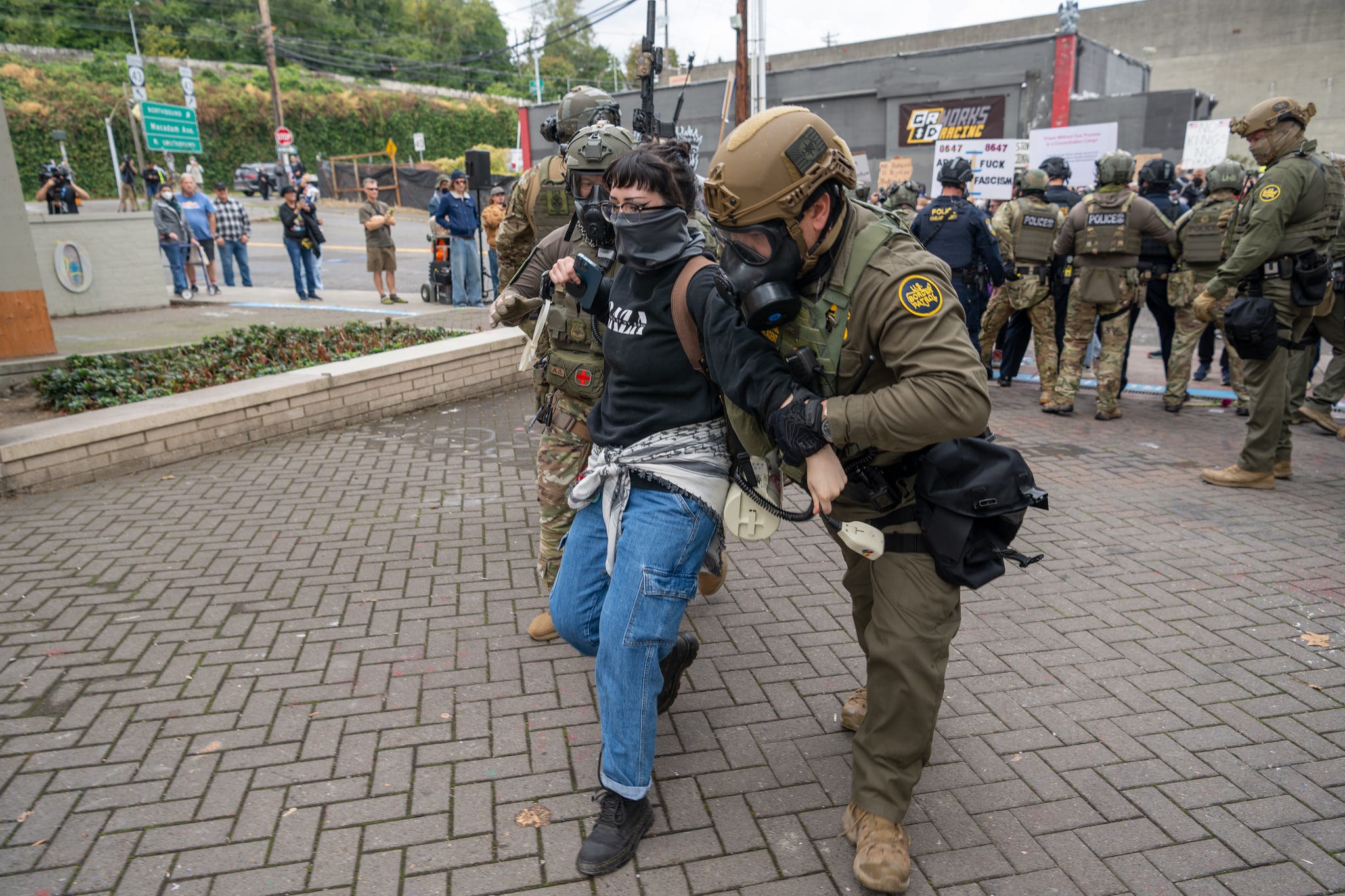
Despite vicious public calls for accountability, ICE has long delayed and rejected the use of body cams within their agency. Following another round of brutal murders at the hands of ICE goons carrying out Donald Trump’s immigrant exodus across the country, the public pressure has reached a fever pitch, leading the agency to finally agree to equip their agents with body-worn cameras by the end of September. But do not for a second believe that accountability is actually what’s happening here.
Per the agency’s own new body-worn camera policy, taxpayers are soon to be footing the massive, multi-million dollar bill for body cams that they will likely never see genuine footage from.
As they attempt to give the outward appearance of transparency and accountability, tucked into the folds of their new body cam policy is a particularly convenient caveat: ICE will ensure the prompt release of body camera footage that captures shootings and any other encounters between agents and civilians that cause death or severe injury, but only if and when the agency has determined that the release of said footage will be in the “best interest of the agency.”
It certainly doesn’t take a genius to realize and understand that this caveat is nothing short of thinly-veiled permission for Immigration and Customs Enforcement to manipulate the American people, granting themselves blanket discretion to publicly release any footage that depicts a Brown person as the evil, murderous danger to society they want you to believe they are while quietly tucking away any footage that shows themselves to be the evil, muderous dangers to society they actually are.
In some ways, ICE is saying the quiet part out loud.
Christopher Schneider, a professor at Canada’s Brandon University and co-author of the book “Police Body-Worn Cameras: Media and the New Discourse of Police Reform,” parsed out the details of what this disturbing new policy really means.
“In some ways, ICE is saying the quiet part out loud,” he warned. “Body-worn cameras are being used as contemporary image-work tools to present the police to the public in the most favorable way possible.”
In the body cam policy that was first issued in February 2025, officers are required to activate their cameras during all routine activities, including but not limited to arrests, search warrants, and emergency situations.
However, just because the camera is rolling doesn’t mean it will actually serve any purpose, in the grand scheme of things; outside of the agency’s efforts to protect and preserve its own public image as they continue to slaughter human beings in American streets.
The policy outlines the expected procedure in the wake of any ICE-related shootings or other serious confrontations: a committee consisting of top ICE officials and a variety of attorneys will convene, comb through the footage behind closed doors, and decide whether or not the footage should be promptly released to the American public, with the largest deciding factor being the effect that the footage could have on ICE’s public perception.
If the panel ultimately determines that the release of the footage is in the best interest of the agency, the video recordings will hit public news cycles within 72 hours of whatever incident it captured. But if ICE’s director determines that there are “specific and compelling circumstances” that justify withholding the footage from the American public under the language outlined in their new policy, then that footage will never live to see the light of day, much less a news cycle, as the policy gives the agency express authority to indefinitely delay or simply just block the release of any footage, at their own discretion.
The policy conveniently does not contain any elaborations on what, exactly, those “specific and compelling circumstances” could actually be.
It does, however, clearly note that, even when ICE does decide to release body cam footage to the public, all identifying features will be redacted, including agents’ faces, names, and badge numbers, to ensure that the privacy of their executioner goons remains their top priority.
Essentially, they’re handing the American people a fancy little lock box labeled “Look! Accountability!” with the key tucked safely in their own pocket.
Schneider, who has dedicated his life to the study of body cameras since they began to spread into mainstream use over a decade ago, made it clear that he does not expect ICE to publicly release any footage that is connected to fatal shootings that garner national attention and public outcry, like the ones that took place last month in Maine and Texas. None of the agents involved in either of those shootings were wearing body cams.
He further noted that Customs and Border Protection, ICE’s sister agency responsible for the January murder of Department of Veterans Affairs ICU nurse Alex Pretti in Minneapolis, has still not released its footage of that incident, which ignited fury all across this country, despite the fact that the entire confrontation was captured on multiple agents’ cameras.
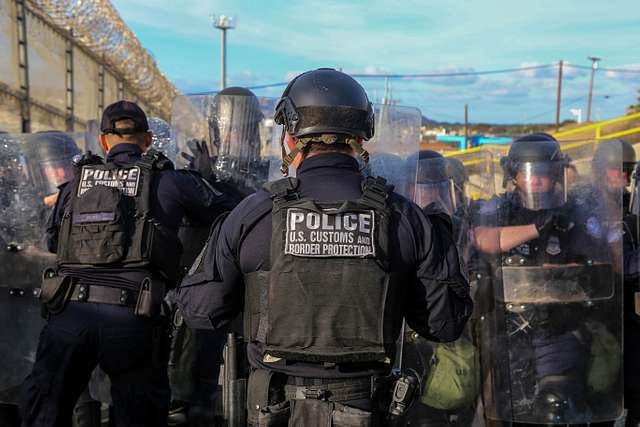
When pressed about that footage in February, Customs and Border Protection Commissioner Rodney Scott told lawmakers that the video footage, as well as other materials, were under investigation related to the incident and would only be made public “when appropriate.”
Katherine Hawkins, senior legal analyst at the nonprofit Project On Government Oversight, said what we’re all thinking with regard to ICE’s body camera policy: while having body cam footage is better than not having body cam footage, due to the court’s ability to ultimately demand it for review, Immigration and Customs Enforcement’s self-serving policy on the matter renders the recordings captured by these body cams “virtually useless.”
“Without any clear way for the public to get access to it, it doesn’t do much good,” Hawkins blistered. “It’s not unheard of for agencies to delay or withhold or selectively edit footage at all, but to say that explicitly just really gives the game away.”
As noted by Hawkins, virtually every law enforcement agency across this country has its own manner in which they handle body cams and their video footage. But while most of these agents do so quietly, with secretive policies or whispered “understandings,” ICE seems to be going out of its way to make the public aware that they are in full control of their own footage and you will only ever see what they allow you to see.